Event or Trend: Donald Trump's election victory has reignited concerns in South Korea over his approach to alliances.
The controversies surrounding South Korea’s first lady, Kim Keon-hee, and her alleged misconduct—ranging from luxury gift acceptance to political interference—have escalated.
South Korea follows the U.S. tradition with each presidential administration appointing its own ambassadors to key posts. This means that political allies, donors, or campaign supporters will take key ambassadorial roles.
Event or Trend: A growing trend of Korean expatriates living in the West are returning to South Korea, driven by economic, social, and personal factors.
Protests by Christian groups on 27 October 2024, followed a court ruling granting same-sex couples access to state health insurance, highlighting ongoing resistance to anti-discrimination reforms.
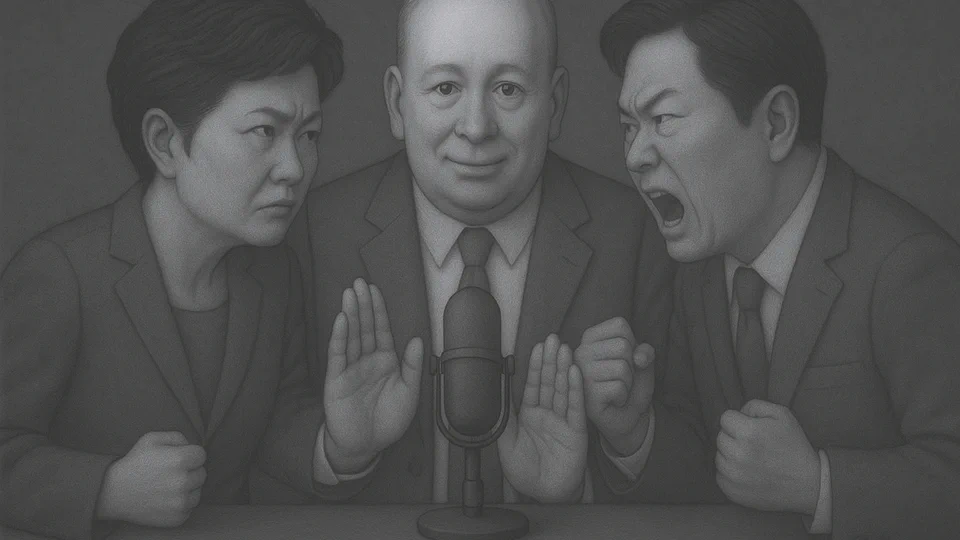
Political polarization and the influence of the far-right and far-left on political discourse has increased with policy positions once considered extreme, now moving into mainstream debate.
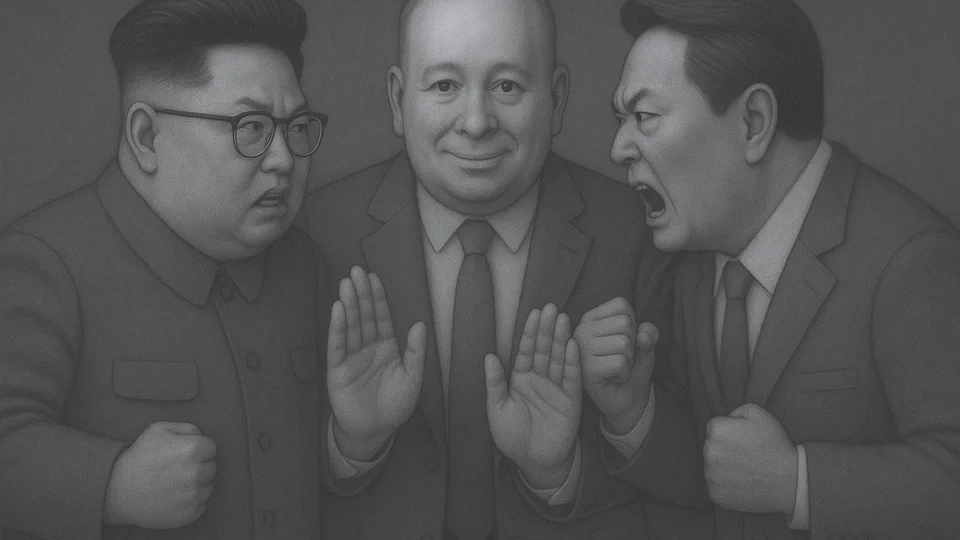
North Korea destroyed roads leading to South Korea, and the South Korean military fired retaliatory warning shots. Military tensions on the peninsula are escalating.
South Korea's engagement with NATO is routinely interpreted through the lens of strategic alliances and security interests but should it be?
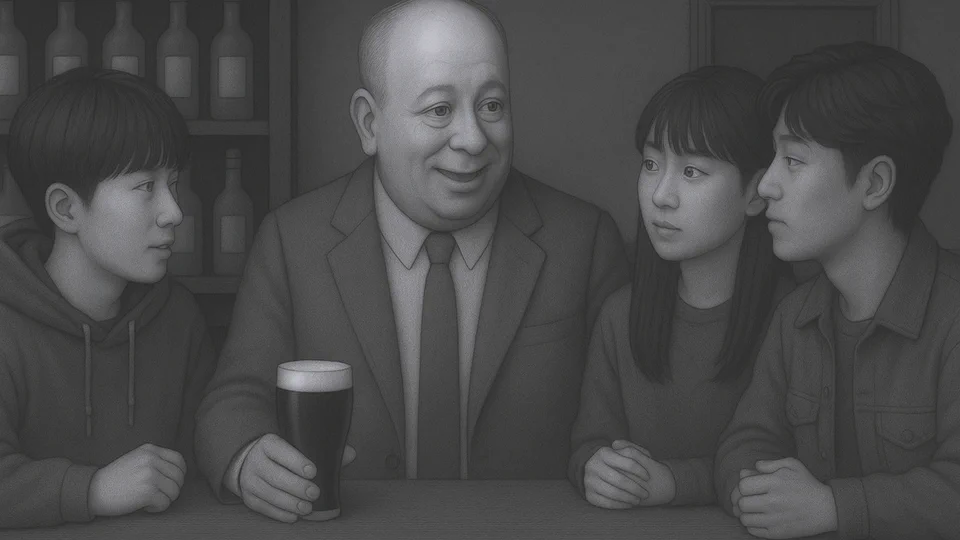
Gen-Z voters swing between conservative and progressive positions on socioeconomic and political issues and with older voting demographics more stable, political parties are now turning more attention to securing this swing vote.
Concern is growing that President Yoon Suk-yeol’s deepening of ties with the U.S. and Japan increases medium-term risk.