In the peculiar realm of the North Korea Watcher, a curious phenomenon unfolds: a seemingly insatiable desire among watchers, commentators, and analysts to remind us, repeatedly, of their former positions in government, think tanks, and academia. It's as if proximity to power—even when that power produced failure—is a badge of honor. This ostentatious display of credentials is not just unseemly; it’s counterproductive, undermining the credibility of the very insights they purport to offer.
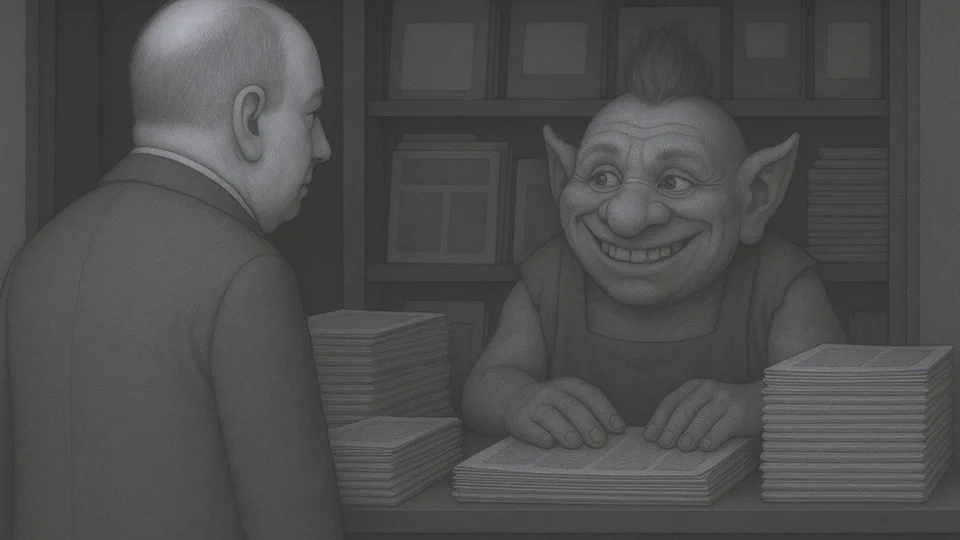
In the world of the North Korea Watcher, there is an abundance of variety. One particularly interesting group is the insight peddler - the consultancy services that seek to sell their wares. Of these, there are five broad groups who, just like itinerant peddlers of old, can be categorized according to the wares they’re selling - in this case, the level of analysis undertaken.
Fiction can be speculative but more often reflects reality from a different perspective. Either way, sorting fact with fiction builds creativity in strategic analysis.
The Korean War remains one of the defining conflicts of the Cold War, shaping the geopolitical landscape and the Korean Peninsula. Both sides came close to complete victory. What if the war had ended in 1950 with a unified Korea?
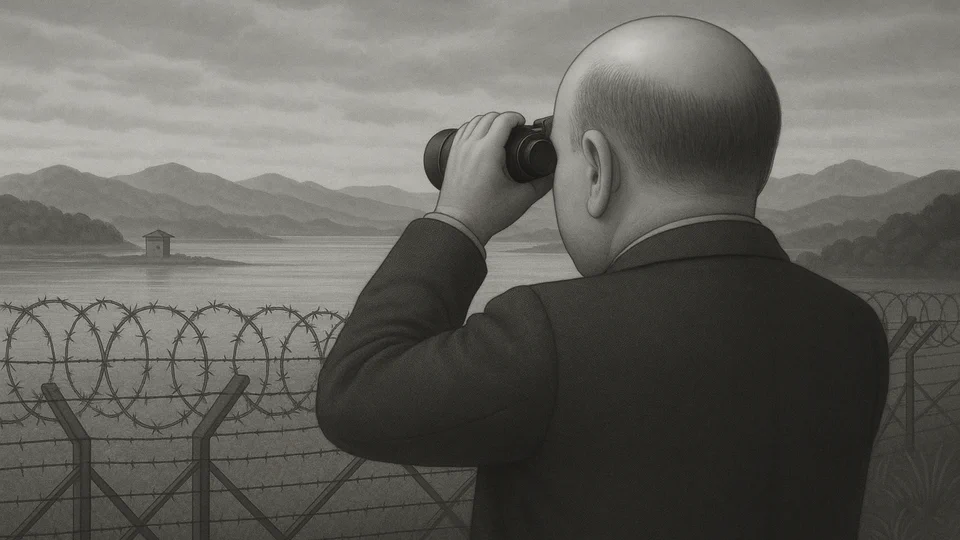
If you're a Korea Watcher, you are a target for disinformation, surveillance, espionage, and intimidation. Every second member of the tribe will tell you that North Korea’s cyber capabilities are among the most sophisticated in the world. With thousands of hackers operating under organizations like Bureau 121, the regime targets governments, corporations, and individuals - including Korea watchers. Few however, think about the threats emanating from closer to home.
Event or Trend: On 3 December 2024, South Korean President Yoon Suk Yeol declared emergency martial law, citing threats from pro-North Korean elements and accusing the opposition of anti-state activities.
Reports in the Western media recently highlighted details of a Korea Central News Agency (KCNA) report on the visit of Kim Jong-un to the Unmanned Aerial Technology Complex (UATC) where he emphasized the need to mass produce drones and update military theory, practice and education to accomodate these changes.
South Korea comes across as the darling of non-Korean academics. From scholarly articles to international conferences, South Korea’s political and diplomatic maneuvers are showered with glowing accolades. It’s as if every foreign academic is competing in an unspoken game of - Who can praise Seoul the most?
There is growing South Korean concern that Donald Trump will negotiate with North Korea’s leader Kim Jong-un to accept North Korea's nuclear arsenal in exchange for halting its intercontinental ballistic missile (ICBM) program.
In international relations, you’d think the people with the clearest view would be those who’ve been trained in the field—foreign policy analysts, diplomats, think-tanks pundits, journalists, and political scientists. They have the education, the experience, and an understanding of the inner workings of governments. But sometimes, the people who see things most clearly are those who aren’t bogged down by all that expertise—outsiders like novelists, playwrights, and artists. Why is that?