Event or Trend: Donald Trump's election victory has reignited concerns in South Korea over his approach to alliances.
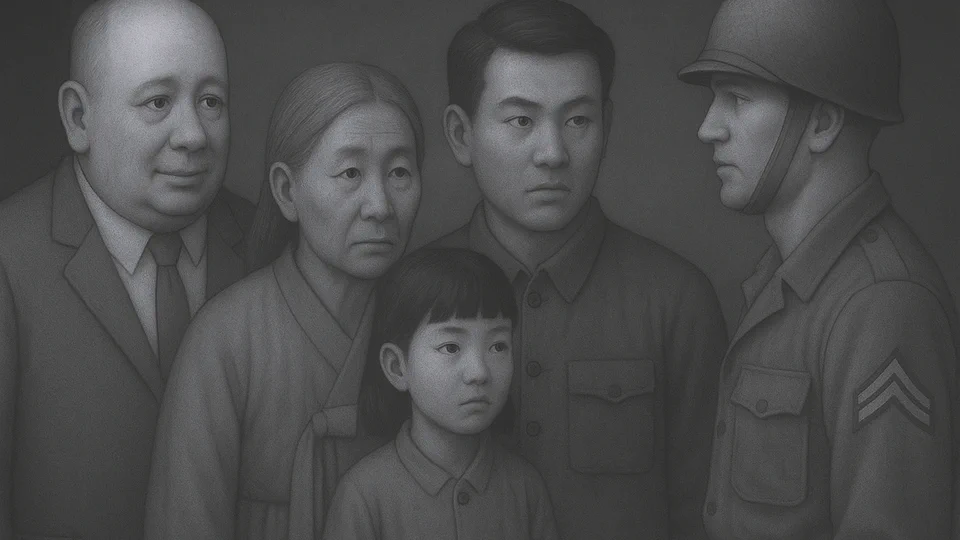
If there’s one thing South Korea has been able to count on (or not shake off) for decades, it’s the United States. The alliance between the two countries weathered wars, economic crises, and the perpetual threat posed by North Korea.
The controversies surrounding South Korea’s first lady, Kim Keon-hee, and her alleged misconduct—ranging from luxury gift acceptance to political interference—have escalated.
We’ve all been there: trapped in a conversation with someone who thinks they’ve cracked the geopolitical code, loudly proclaiming why South Korea must or must not develop nuclear weapons.
South Korea follows the U.S. tradition with each presidential administration appointing its own ambassadors to key posts. This means that political allies, donors, or campaign supporters will take key ambassadorial roles.
Fiction can be speculative but more often reflects reality from a different perspective. Either way, sorting fact with fiction builds creativity in strategic analysis.
South Korea’s fertility rate, the lowest in the world, continues to decline, signaling a demographic crisis.
A recent investigation by a popular media program has revisited U.S. surveillance on South Korea, and sparked significant public concern about U.S. intentions, challenging Yoon Administration efforts to strengthen the relationship.
Could the Korea - U.S. alliance end? It seems impossible. Every U.S. official and every U.S. politician says it’s impossible. Strangely, you hear differently here in Seoul. In fact, very differently.
In recent history, two global powers—first the United States in Iraq and later Russia in Ukraine—initiated conflicts that were widely regarded as controversial, if not outright illegal, by much of the international community.